

Restorative Practices 101: Building Community in Schools and Youth Programs

Updated: Aug 8, 2025
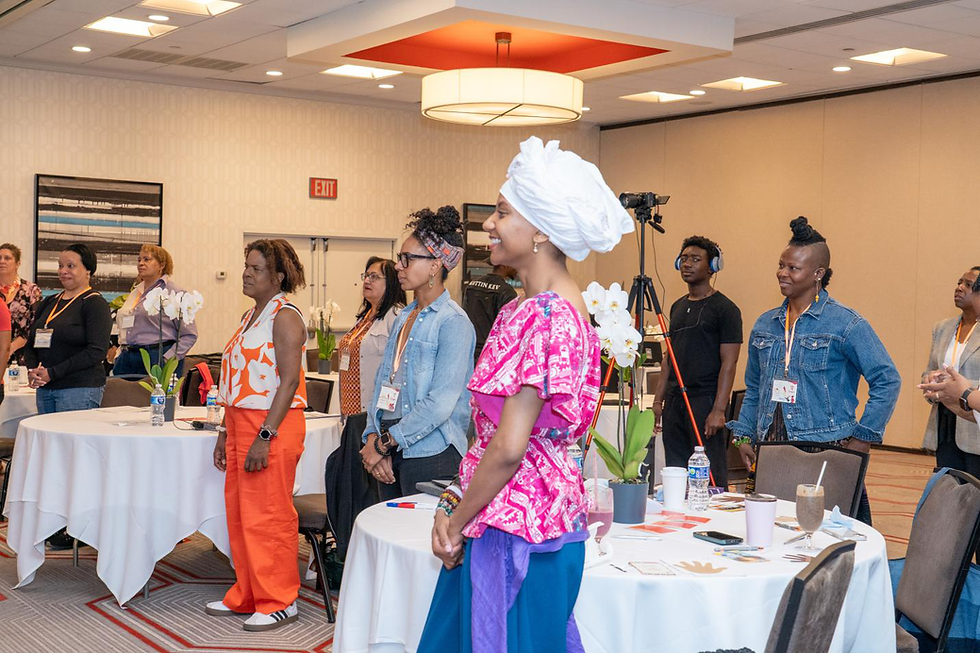
Restorative practices invite youth and adults to build community, address conflict, repair harm, and strengthen relationships. Rather than avoiding conflict or leaving harm unaddressed, restorative practices guide communities to face tensions and harm with confidence and care.
Creative Praxis leads Philadelphia schools and youth programs through clear steps that cultivate trust, compassion, and self‑efficacy. Our approach integrates arts, somatic methods, and anti‑oppression principles to create spaces where every voice matters and clear practices are provided to build community, address conflict and repair harm.
What Are Restorative Practices?
Restorative Practices are intentional practices of building and strengthening relationships/community while having a clear pathway for addressing conflict, and repairing relationships when someone(s) have been harmed.
At its root, restorative practices are grounded in the belief that relationships—and the health of those relationships—are the foundation of strong communities. It centers relationship over rule – The idea is that harm happens in relationships, so healing and accountability should also happen in relationships. It values dignity and humanity – Every person’s worth is recognized, regardless of what they’ve done or experienced.
It opens the space to learn tools to foster community, address conflict in ways that center dignity and respect. Restorative practices nurture vulnerability, compassion, and self‑confidence. They teach young people and educators alike to say, “I see you,” while standing firmly in their own strength and power.
Restorative practices center on community and dialogue. They:
Recognize conflict as a natural part of relationships
Prioritize repairing harm over punishment
Foster empathy, boundaries, and accountability
Build skills in nonviolent de‑escalation
Creative Praxis follows this pathway, ensuring that participants spend most of their time cultivating authentic connections before addressing challenges.
Core Tools and Methods

Creative Praxis’s restorative practices training in Philadelphia offers hands‑on tools that work immediately in schools and youth programs. Participants learn how to:
Recognize and Plan for Repair
Participants learn core strategies to repair harm when it has occurred and begin the process of rebuilding community.
Practice nonviolent de-escalation
Through real-life examples and supportive coaching, educators and youth workers learn how to respond to conflict with calm, clarity, and presence.
Build Authentic Relationships
Trainings prioritize time for connection, offering participants practical tools for building healthy, inclusive relationships. Participants reflect on identity, values, and personal power, laying the groundwork for trust and safety.
Support inclusive environments
Sessions are designed to uplift diverse voices. Participants learn tools like Fair Process to ensure all voices are heard and considered in the decision making process.
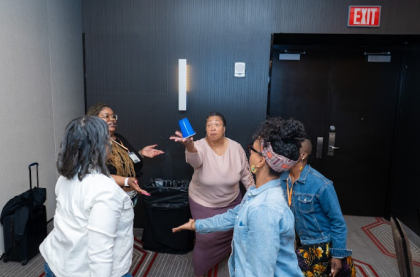
Creative Praxis also brings in somatic tools and creative expression. Art, movement, and reflection help deepen learning and center joy, even during difficult conversations.
Benefits for Schools and Youth Programs

Implementing restorative practices yields measurable improvements:
Stronger School Climate
Classrooms become safer and more inclusive as relationships deepen and respect grows.
Reduced Discipline Referrals
Schools report fewer suspensions and detentions when they shift from punitive models to repair‑focused responses. A University of Chicago Education Lab study found that schools using restorative practices saw an 18% drop in out-of-school suspensions and a 35% reduction in student arrests.
Enhanced Emotional Literacy
Youth and staff gain language and tools to name feelings, manage stress, and ask for support.
Empowered Educators
Teachers leave conflict resolution training sessions in school equipped with conflict resolution skills and the confidence to address challenges in schools.
Inclusive Spaces
Community agreements amplify diverse voices, ensuring all identities feel seen and valued.
Who Should Attend?
Creative Praxis designs restorative trainings for:
Educators and School Leaders
From classroom teachers and youth participants to administrators seeking a whole‑school approach.
Youth Workers and Program Staff
Leaders in after‑school, community centers, and youth organizations.
Nonprofit Teams and Community Groups
Anyone committed to healing‑centered, equity‑focused collaboration.
Each session meets participants where they are, whether building a restorative culture from scratch or deepening established practices.
Integrating Restorative Practices into Daily Life
Here are three tools for integrating Restorative Practices into daily life, drawing from Creative Praxis’ healing-centered, arts-based approach:
Use Restorative Questions in Everyday Conversations
When harm, conflict, or tension occurs, shift from blame to curiosity.
Examples of questions:
“What happened?”
“What were you thinking and feeling at the time?”
“Who has been affected, and how?”
“What needs to happen to make things right?”
Build Daily Connection Rituals
Trust is built in small, consistent moments—not just during conflict.
Create daily or weekly check-ins with family, co-workers, or youth using “connection circles” or “temperature checks.”
Plan for Repair, Not Punishment
When harm happens, the goal is to restore relationships and community well-being—not to “win” the conflict.
Develop a Repair Plan
How This Connects to the Bigger Picture

Restorative practices at Creative Praxis are always linked to community values and purpose. Every training includes time for participants to define their ethos, both personal and collective. These “I AM” and “WE ARE” reflections ground the work in real life.
Participants also look at how shame impacts relationships, and begin to move from a shame, based model to that of empathy and belonging.
This work doesn’t live in isolation. It connects directly to other trainings offered by Creative Praxis, including:
Anti-Racism Training
Trauma-Informed Classroom Management
Culturally Responsive Training
Youth Empowerment Workshops in Philadelphia
Each of these training sessions complements restorative practice by offering tools to address harm, center voice, and co-create learning rooted in love and accountability.
Creative Praxis’s Commitment to Community
Creative Praxis believes in the power of restorative justice workshops for schools, trauma-informed classroom management, and arts-based professional development to repair harm and build trust. Our somatic‑centered, interactive trainings guide Philadelphia educators, youth workers, and community leaders in cultivating spaces where everyone feels valued and capable of growth.
Creative Praxis invites all schools and youth programs to partner in building resilient communities. Transform conflict into connection with Creative Praxis’s restorative practices training and conflict resolution training for schools in Philadelphia. Contact Creative Praxis today to begin strengthening relationships in your learning space!

Comments