

The Impact of Culturally Responsive Training on Community Stability in Philadelphia

In Philadelphia, communities are increasingly recognizing that stable, resilient neighborhoods depend not just on resources, but on relationships rooted in trust, respect, and understanding. Research shows that educational and professional programs that honor participants’ histories and cultures lead to higher engagement and improved outcomes. According to a study, culturally responsive training programs in urban settings increase participant retention and foster measurable improvements in collaborative problem-solving.
Culturally responsive approaches consider the whole person—their background, experiences, and community context. By integrating these values into professional development, organizations can cultivate environments where participants feel seen, heard, and capable of contributing meaningfully.
Building Trust Through Recognition of History and Culture
One of the primary outcomes of culturally responsive training impact is the creation of genuine trust within learning spaces. When educators and facilitators honor the cultural histories of participants, several benefits emerge:
· Participants engage more deeply in discussions, exercises, and problem-solving activities.
· Teams navigate conflict more effectively because shared values and histories are acknowledged.
· Learning communities exhibit higher retention and long-term commitment to collective goals.
· Participants feel validated and respected, which fosters a sense of belonging and encourages open sharing of ideas and experiences.
Programs such as culturally responsive training emphasize self-reflection, historical context, and decolonizing frameworks, helping participants develop a moral and cultural lens to guide interactions.
Practical Applications in Philadelphia Communities
Organizations implementing these strategies see tangible outcomes. Training offerings like anti racist leadership training provide tools for participants to act with intentionality and compassion, both inside and outside the learning space.
Key practices include:
· Integrating reflective exercises that prompt participants to articulate their “I AM” statements, affirming identity and cultural heritage.
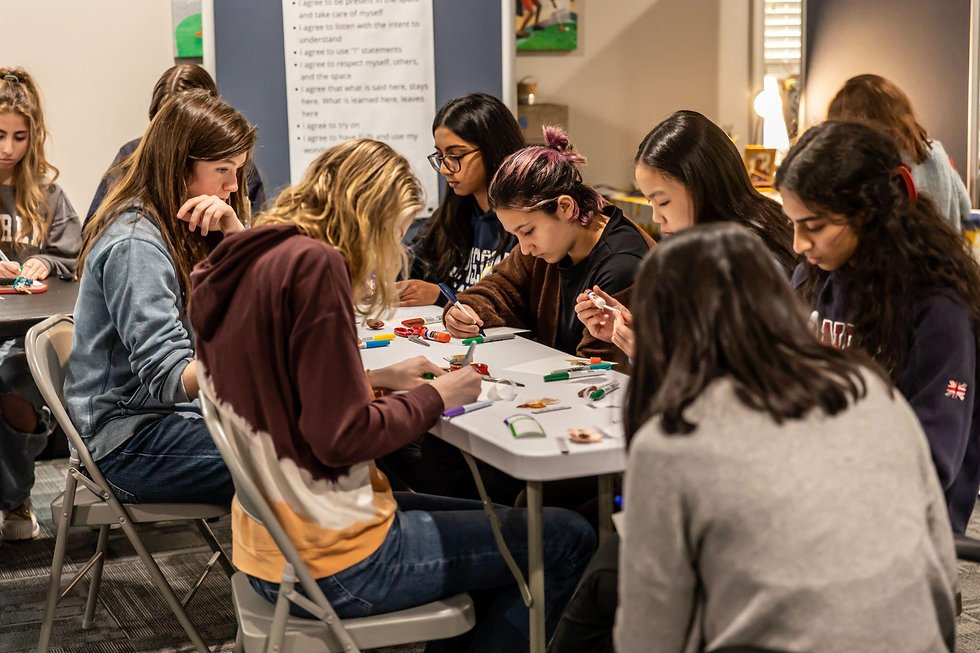
· Embedding arts-based learning to foster creativity, dialogue, and collaborative engagement.
· Offering workshops in conflict mediation training to apply principles to broader community challenges.
By prioritizing the recognition of lived experiences, communities strengthen social cohesion and improve the capacity for conflict resolution, reducing the likelihood of misunderstandings and structural inequities.

Advancing Community Stability Through Training
The impact of culturally responsive training extends beyond individual growth; it cultivates safer, more resilient, and empowered communities. When participants feel seen and valued, they are better positioned to contribute to collective problem-solving, equitable initiatives, and long-term community health.
Organizations looking to strengthen learning spaces and community stability can partner with Creative Praxis to implement culturally responsive training in Philadelphia and related programs. To create meaningful, liberation-centered learning experiences in your organization, contact us today.


Comments